

Alabama is the industrial engine of the South. With the booming automotive industry, the steel mills of Birmingham, and the Port of Mobile, the demand for flatbed and container drivers is huge.
The Alabama Law Enforcement Agency (ALEA) handles licensing. The old version of this page incorrectly presented STAR ID and a separate metal-coil certificate as universal CDL requirements. ALEA’s current CDL checklist does not make those claims. The requirements below follow ALEA’s current published pages.
Alabama CDL Quick Facts
| Item | Current Alabama requirement |
|---|---|
| Licensing agency | Alabama Law Enforcement Agency (ALEA) |
| Minimum age | 18 for intrastate commercial driving; 21 for interstate commerce or HazMat |
| Documents | Current license, Social Security card, two proofs of principal residence, and additional identity/lawful-status documents when applicable |
| Medical certification | Non-excepted applicants need current certification; examiners normally submit it electronically |
| Testing fee | $25 |
| Commercial learner license | $36.25; valid 360 days and not renewable |
| Minimum CLP hold | 14 days before the skills test |
| Skills test | Appointment required; $20 published fee |
| CDL issuance | Class A $66.25; Class B $56.25; Class C $36.25 |
| Official handbook | ALEA CDL Manual and modernized-test supplement |
Choose Your Alabama CDL Practice Module
| CDL module | Start here |
|---|---|
| General Knowledge | Open the General Knowledge diagnostic |
| Air Brakes | Open the Air Brakes diagnostic |
| Combination Vehicles | Open the Combination Vehicles diagnostic |
| Hazardous Materials | Open the HazMat diagnostic |
| Tank Vehicles | Open the Tanker diagnostic |
| Doubles and Triples | Open the Doubles and Triples diagnostic |
| Pre-Trip Inspection | Open the Pre-Trip diagnostic |
For the usual Class A tractor-trailer with air brakes, start with General Knowledge, then Air Brakes and Combination Vehicles. Add only the endorsements required by the intended job.
Alabama CDL Application Steps
- Choose the class and endorsements. Use the vehicle’s GVWR/GCWR and the job duties.
- Confirm the medical category. If certification is required, make sure the examiner’s electronic result is visible on your Alabama record.
- Gather the ALEA document set. Bring the current license, Social Security card, two proofs of principal residence, and any additional identity/lawful-status documents.
- Study the official manual and modernized-test supplement. Older skills-test videos may describe a different inspection format.
- Pay the testing fee and pass the required knowledge sections. Verify the selected ALEA office provides CDL testing.
- Purchase and inspect the CLP. Check its class, endorsements, restrictions, and expiration date.
- Complete required ELDT and supervised practice. Covered applicants must train through an FMCSA-registered provider.
- After at least 14 days, take the scheduled skills test. Bring proof of insurance and a compliant vehicle.
- Purchase the CDL after passing. The issuance fee depends on the license class.
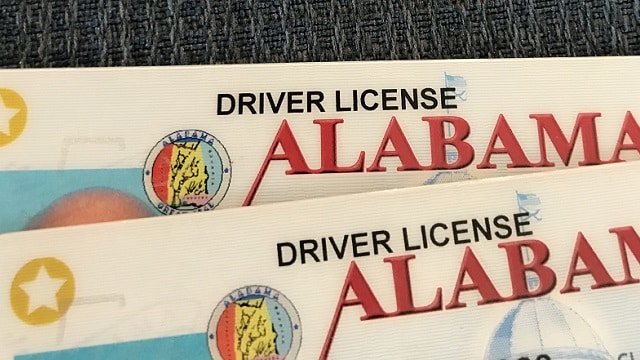
2. Alabama ALEA CDL Fees (2026)
Fees in Alabama are paid to the Probate Judge or License Commissioner. They are relatively low compared to the national average.
| Item | Cost | Notes |
|---|---|---|
| Testing Fee (Permit Application) | $25.00 | Paid to take the written tests. |
| Learner's Permit Issuance | $36.25 | Paid after passing written tests. |
| Class A License Issuance | $66.25 | Valid for 4 years. |
| Skills Test | $20.00 | Appointment required for first issue or upgrade. |
| Class B / Class C License | $56.25 / $36.25 | License issuance after all requirements are met. |
Medical examinations, ELDT, training, test-vehicle access, and the federal HazMat screening are separate. ALEA notes that license fees can be slightly higher where county legislation permits an additional charge.
Alabama CLP, ELDT, and Skills-Test Rules
ALEA says the commercial learner permit is valid for 360 days and is not renewable. If it expires, the applicant must pass the required written tests again and obtain a new permit. Do not buy it until documents, medical status, and training availability are lined up.
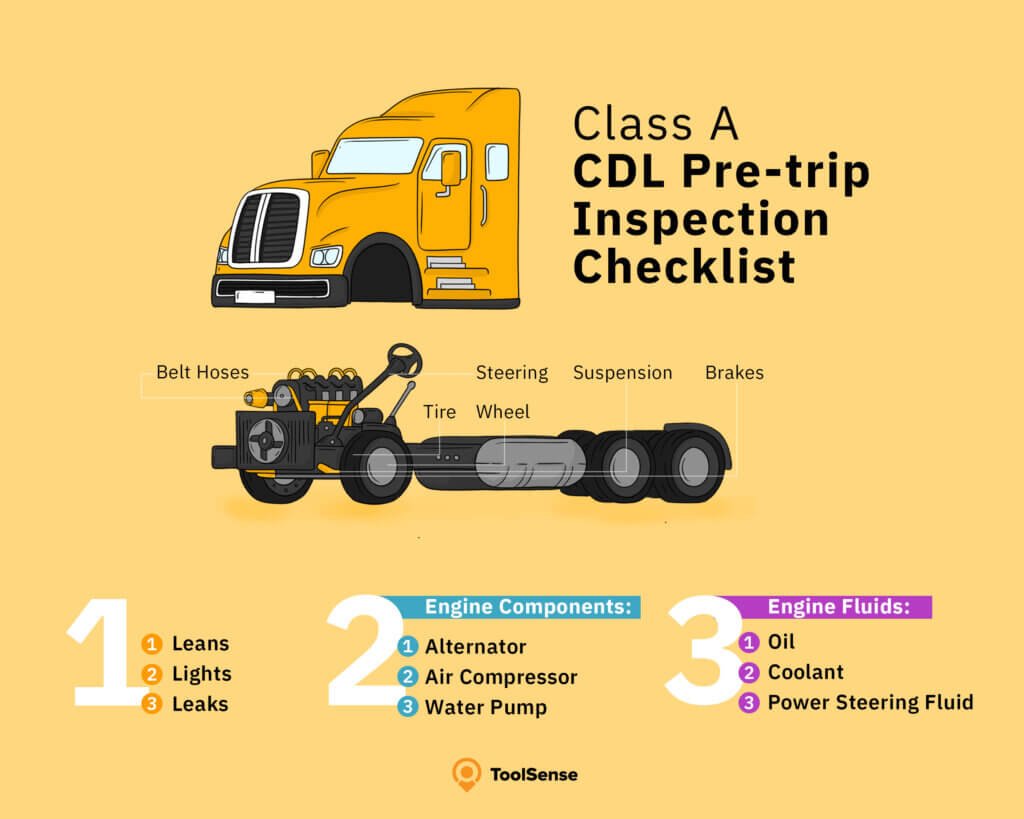
The 14-day hold applies before the skills test. ELDT applies to covered first-time Class A/Class B applicants, Class B-to-A upgrades, and first-time H, P, or S endorsements. The skills test covers inspection, basic controls, and on-road driving. Vehicle equipment can create restrictions, so test in the transmission and brake configuration needed for the job.
Steel-Coil Securement: Important, but Not a CDL Endorsement
Alabama produces a massive amount of steel. You will likely haul metal coils at some point.
- No separate Alabama endorsement: ALEA does not list a metal-coil endorsement among its CDL credentials. Do not pay for a supposed state endorsement.
- Securement still matters: Flatbed employers may require cargo-securement training, and drivers remain responsible for the applicable federal securement rules.
- Eye to the Side: Requires at least 3 tie-downs if the coil weighs more than 5,000 lbs.
- Friction Mats: Essential for safety.
- Blocks: Must be used to prevent rolling.
4. AL Practice Questions (State Specific)
The federal and state limit is 80,000 lbs. Because of the steel industry, Alabama DOT officers are very strict about enforcing weight limits on I-20 and I-65. Overweight fines are steep.
Coils are round and will roll. You must use chocks/wedges held in place by dunnage or nailing to prevent the coil from shifting during transport.
Conclusion
Use the official ALEA manual, confirm electronic medical status, and plan the complete fee sequence rather than only the final card price. The highest-value next step is the diagnostic for the first test on your application.
Official Sources
- ALEA CDL manuals and modernized-test supplement
- ALEA CDL document requirements and fees
- ALEA CDL frequently asked questions
- ALEA driver license offices
Rules, fees, and locations can change. Recheck the official pages before paying or traveling.